Littlelands Early Tools Tier List
What to prioritize in your first week of Littlelands Early Access.
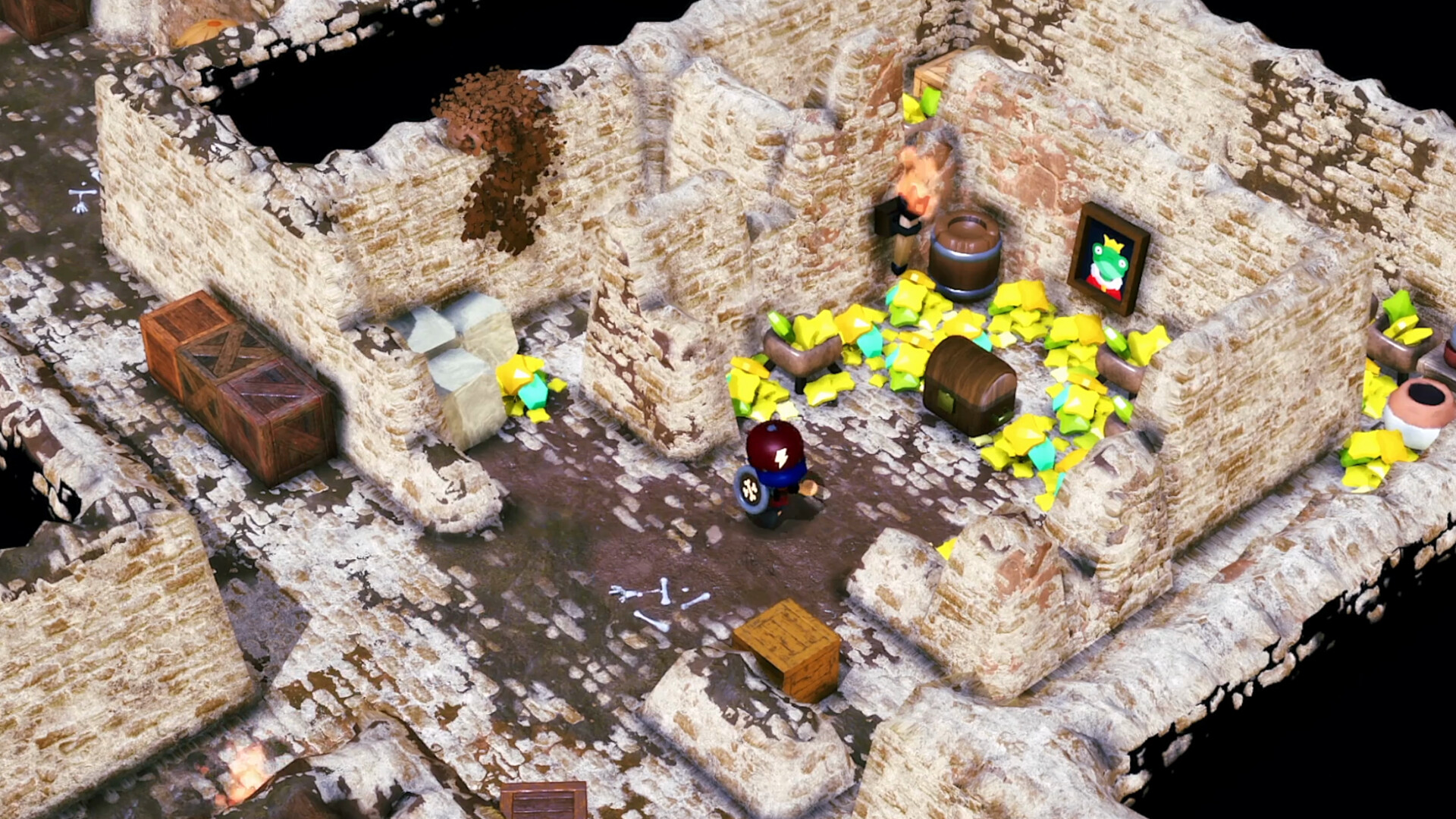
This tier list ranks early tools and first-week activities in Littlelands so you spend currency and attention where they unlock the most cozy adventure. It is written for the Steam Early Access build that launched November 16, 2026 — a single-player mix of farming, fishing, bug catching, treasure digging, NPC jobs, and optional lock-on combat. For hub context, see Tier List Hub. For how-to detail, jump to the linked guides.
Tiers assume you want a working farm, enough food for caves, and the option to fight Goblinettes or the Goblin Boss without misery. Pure pacifists can ignore sword notes; everyone else should still plant berries.
S tier — do these first
Farming and berry planting
Why S: Crops grow while you explore. Planting before trips is free progress and feeds cooking for harder areas. Restoring the farm early anchors the whole game fantasy.
How to apply: Clear usable soil, plant berries first, expand other crops after the backbone is online. Never leave town with empty plots if you can help it. Full walkthrough: Farming.
Shovel and treasure digging
Why S: Suspicious ground converts curiosity into funds for tools, seeds, and later decoration. Digging is low-risk compared to multi-enemy fights and pairs with every exploration route.
How to apply: Carry the shovel everywhere. Dig, then bank loot in town. Stop mid-dig if an enemy winds up. Route tips: Exploration.
Talking to NPCs / small jobs
Why S: About twenty NPCs and their errands open shops, tools, clues, and new areas. Skipping dialogue is the fastest way to feel lost in six regions.
How to apply: Tour town before long hikes. Accept short jobs between fishing stops. Onboarding order: Getting Started.
A tier — schedule almost every day
Fishing rod
Why A: Steady food and materials with a calm skill loop. Perfect cooldown after failed combat and perfect prep before bosses.
How to apply: Fish after planting. Keep inventory space for cooks. Guide: Fishing and Bugs.
Insect net
Why A: Opportunistic materials while walking trails. Synergizes with Focus Glow so you notice gatherables in busy art.
How to apply: Catch while traveling instead of forcing a pure grind hour. Bank before dungeons.
Minimap + Focus Glow (settings “tools”)
Why A: Not inventory tools, but they function like gear for your eyes. Community-requested minimap prevents lost time; Focus Glow highlights interactables.
How to apply: Enable both on day one. Rebind if menus are awkward. See Controls.
B tier — important, but after the backbone
Sword and lock-on practice
Why B: Combat is optional yet required for some caves, dens, and the Goblin Boss. Fundamentals matter more than rushing DPS upgrades.
How to apply: Practice on one enemy at a time — lock on, circle, dodge. Only then attempt Goblinettes in groups or boss arenas. Guide: Combat.
Cooking regularly
Why B: Converts S/A gathering into trip fuel. Without cooking, fishing and berries underperform.
How to apply: Cook at home after mixed gather routes. Restock before dungeon days.
Light exploration of all six areas
Why B: Sampling biomes teaches landmarks, shops, and resource flavors. Fully clearing everything day one burns focus.
How to apply: One new area at a time with food and empty bag slots. Return to farm between pushes.
C tier — surplus and celebration
Farm decoration
Why C early / A later: Decoration make home magical, but early currency should buy tools and seeds first. After shovel and farm income flow, decoration becomes a healthy reward pulse.
Vanity cosmetics and novelty hats
Why C: Fish hats and flashy outfits rule for screenshots. They do not plant berries. Buy them with treasure surplus. Creator overview: Character Creator.
Boss attempts on empty pockets
Why C (as a plan): Trying the Goblin Boss without food or practice is entertainment, not efficiency. Demote this idea until A-tier pantry loops are humming.
Example first-week schedule
Day 1: Character create → NPC tour → restore and plant → enable minimap/Focus Glow → short dig/fish → one training fight.
Days 2–3: Plant → gather route (bugs, fish, dig) → cook → light new-area scout → decorate once if flush.
Days 4–5: Repeat pantry loops → deliberate sword practice → optional cave with food.
Days 6–7: Push a tougher route or boss attempt → celebrate with a hat or farm decoration → plant again.
Adjust freely. Pacifists extend fishing days; explorers keep shovel priority sacred.
Common mis-ranks
- Decorating before seeds/tools: looks pretty, slows every loop.
- Sword before shovel: combat without funds or food feels harsh.
- Ignoring NPCs: map knowledge is a tool.
- Uncapped FPS on Deck while “optimizing gear”: comfort settings are part of your kit — System Requirements.
Will this list change?
Yes. Early Access continues through a planned late 2027 full release with more content and polish. When new tools arrive, rankings will shift. Watch Updates and Early Access. Official links: Links Hub.
Use S tier to build a engine, A tier to keep it fed, B tier to expand danger on your terms, and C tier to make the claymation-like world feel like yours. That is the only meta Littlelands needs.
Frequently Asked Questions
Quick answers about farming, combat, exploration, and Early Access.
What is the single highest priority early on?
Get farming online and plant berries before long trips, while carrying a shovel for treasure. Those two habits fund and feed everything else.
Is the sword low priority because combat is optional?
Sword practice is B tier for general week-one value, but it becomes mandatory prep before bosses or dense caves. Learn lock-on early in small doses.
Why are decorations C tier?
They are wonderful rewards but compete with seeds and tools for early currency. Buy them after shovel and farm loops print surplus.
Where do fishing and bugs land?
A tier. They are low-risk food and material engines and perfect cooldowns between harder exploration sessions.
Should pacifist players follow this list?
Yes for farming, shovel, NPCs, fishing, and bugs. You can defer sword practice indefinitely if you avoid combat-heavy routes.